
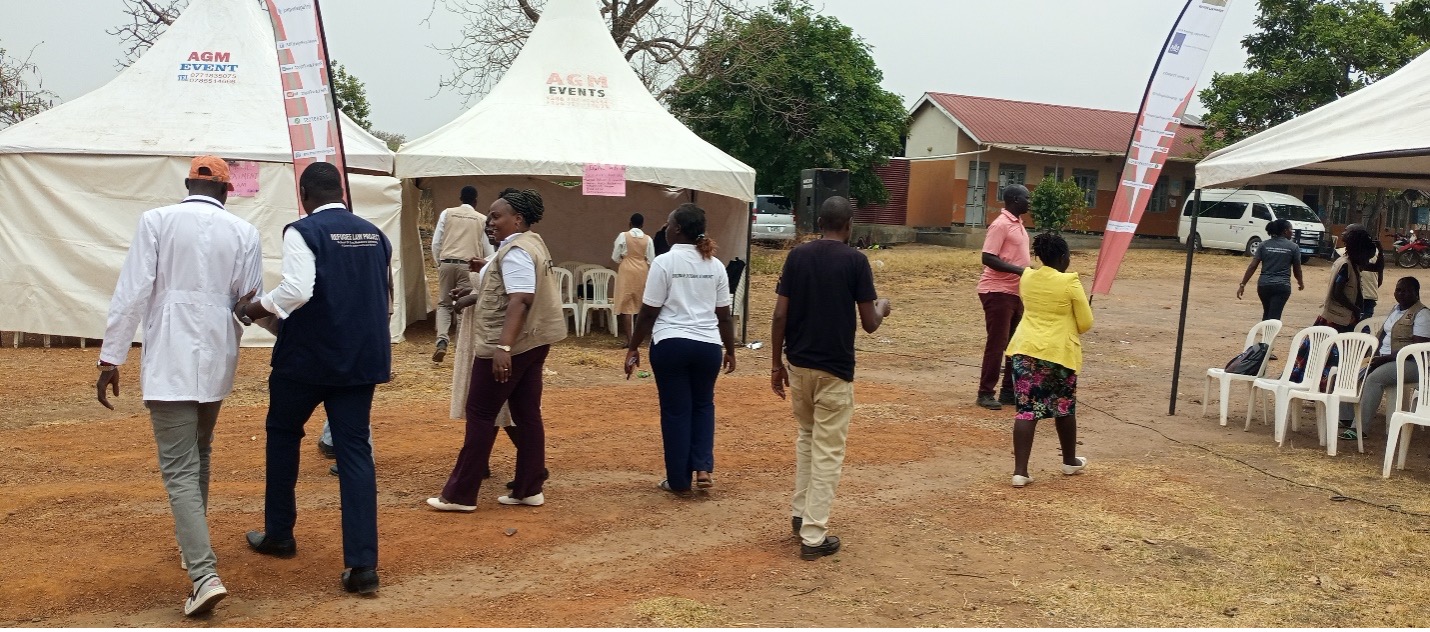
 MEDICAL, COUNSELLING TEAM, LEGAL TEAM GOING TO RESPECTIVE TENT AFTER PSYCHO-EDUCATION AND HEALTH EDUCATION IN ADJUMANI 2025
As Uganda joins the global community in commemorating World Mental Health Day on October 10, 2026, under the theme “Lived Experiences Heard: Real Voices, Real Change,” the global campaign invites more than simply listening to people who have experienced mental health challenges. It calls for their experiences to inform and shape the design and delivery of mental health policies, services and interventions. More importantly, it provides an opportunity to ask a deeper question: What can lived experiences teach us not only about recovering from psychological distress, but also about maintaining mental well-being before distress becomes a crisis?
This question brings renewed attention to the often-neglected concept of mental hygiene. Historically associated with the promotion and protection of mental well-being, mental hygiene refers to the everyday habits, relationships, environments and practices that help people maintain psychological health and prevent avoidable distress. Just as personal hygiene involves caring for the body to prevent illness, mental hygiene involves caring for the mind, emotions and relationships to promote well-being and reduce psychological harm.
Contemporary mental health systems have made significant progress in addressing mental illness, trauma, suicide, stigma and access to treatment. Yet public conversations about mental health often become most visible when distress has already intensified: Where can someone receive counselling? Where is psychiatric treatment available? How can a person with depression access care? These questions are essential. However, an equally important prevention agenda is often less visible: How do people learn to regulate anger, manage stress, communicate effectively, resolve disagreements and maintain healthy relationships?
Mental health does not exist only within clinics. Everyday interactions in families, schools, workplaces, communities and broader social environments continuously shape it. People disagree with spouses, children, friends, neighbours, colleagues and supervisors. Communities compete over water, land and other resources. Young people experience developmental challenges, peer pressure and sometimes rejection or social exclusion. Political actors compete for authority and influence. In contexts affected by war, displacement and economic hardship, these pressures can become even more intense and unique.
Conflict itself is not necessarily a sign of poor mental health. Disagreement is an unavoidable part of human relationships and social life. The mental-health concern is how conflict is perceived and managed. A psychologically healthy society is not one in which people never disagree; it is one in which disagreement can occur without automatically escalating into humiliation, intimidation, violence, hatred, revenge or permanent breakdown of relationships.
This makes peaceful conflict resolution an important component of mental hygiene. If emotions are inevitable, emotional regulation must be learned. If disagreements are inevitable, constructive communication and problem-solving must be practiced. If parenting shapes children's emotional and social development, we must strengthen positive parenting. If workplaces are central to adult well-being, respectful communication and healthy approaches to managing work dynamics and interpersonal conflict should be promoted. If communities face competition over resources, mechanisms for dialogue and peaceful problem-solving become part of protecting collective well-being.
Listening to lived experience should therefore extend beyond documenting what happened after psychological harm occurred. It should also ask: What helped healthy people remain psychologically healthy? What relationships protected them? What coping strategies worked? What prevented conflicts from escalating? What helped individuals, families, and communities recover and remain connected despite adversity?
Mental hygiene provides a practical framework for addressing these questions. It encompasses emotional awareness and regulation, healthy communication, physical exercise, self-care, stress management, positive coping, social connectedness, supportive relationships, positive parenting, resilience, problem-solving, self-esteem, healthy lifestyles, meaning and purpose, hope, help-seeking and early identification of psychological difficulties. These practices do not replace professional mental health services; rather, they complement them by strengthening prevention and early intervention. This is particularly relevant in a world experiencing protracted conflicts, forced migration and social disruption. Promoting mental hygiene alongside mental health treatment can help shift the agenda from responding predominantly to psychological harm towards building environments that reduce its production and escalation.
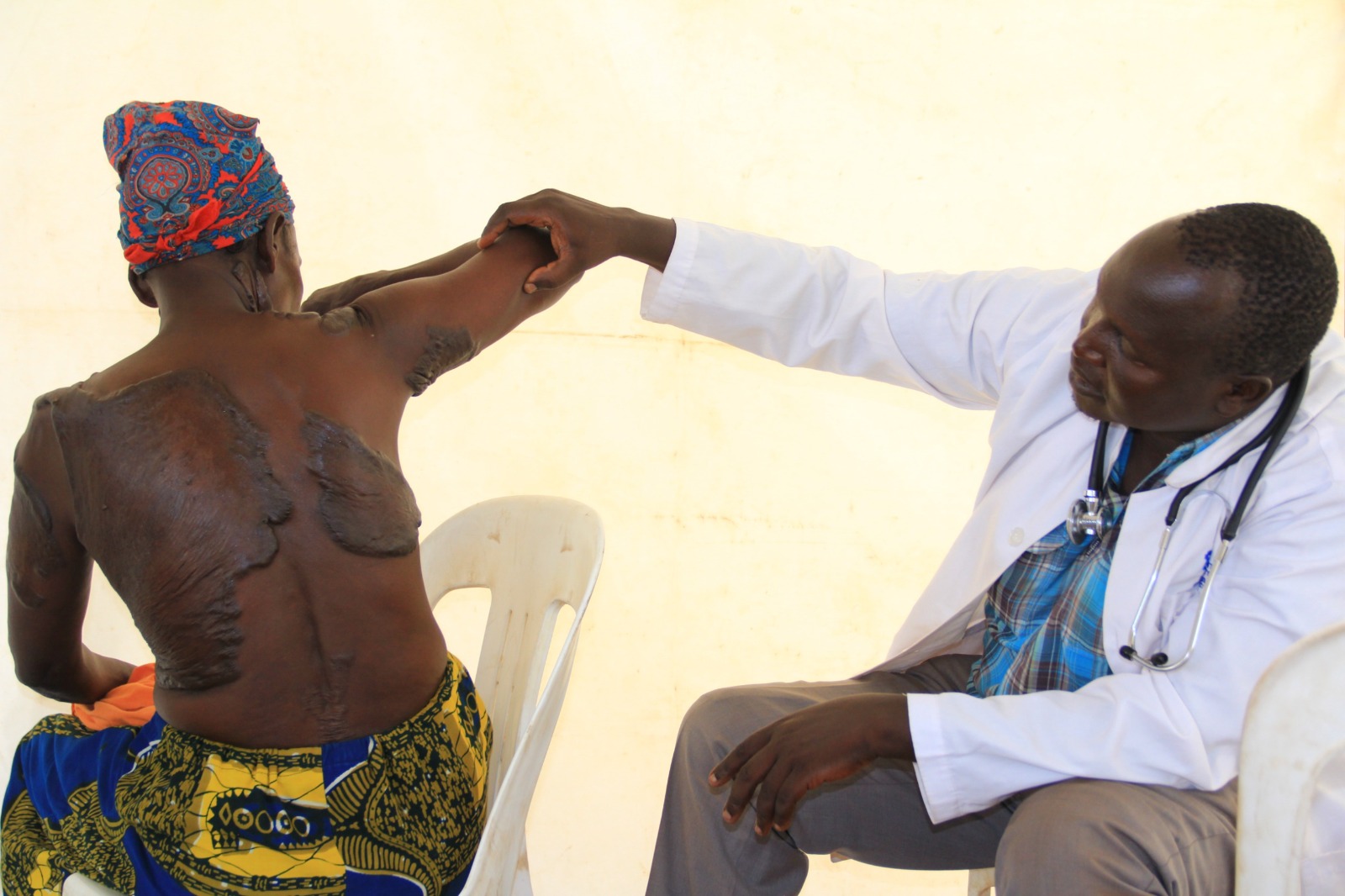
The reports about growing mental health burdens in Uganda’s refugee settlements and post-conflict host communities in Northern Uganda highlight a dire need to restore mental hygiene as a practical prevention and protection agenda. Alcohol and drug misuse, including the reported harmful use of tramadol among young people, theft, vandalism of community resources such as outdoor child-friendly materials, gang formation and juvenile delinquency, inter- and intra-ethnic tension and violence, domestic conflict and other harmful behaviours should not be viewed only as social problems; the symptoms can double as both triggers and perpetuators of psychological distress, while psychological distress itself may increase vulnerability to such behaviours. Family separation, such as fathers remaining in South Sudan while mothers care for children alone in refugee settlements, together with food-ration cuts, poverty, unemployment and tensions between refugees and hosts can further intensify stress, hopelessness and family breakdown. The reported cases of suicide and suicidal behaviour should therefore prompt greater attention to what happens before a crisis reaches the counselling room or death. Mental hygiene could complement clinical services by equipping individuals, families and communities with practical skills in emotional regulation, stress management, positive coping, responsible substance use, communication, conflict resolution, positive parenting, problem-solving and early recognition of distress. In this sense, mental hygiene is not an alternative to counselling or treatment; it is a preventive layer that can reduce risk, interrupt harmful cycles and strengthen the effectiveness of professional mental health interventions.
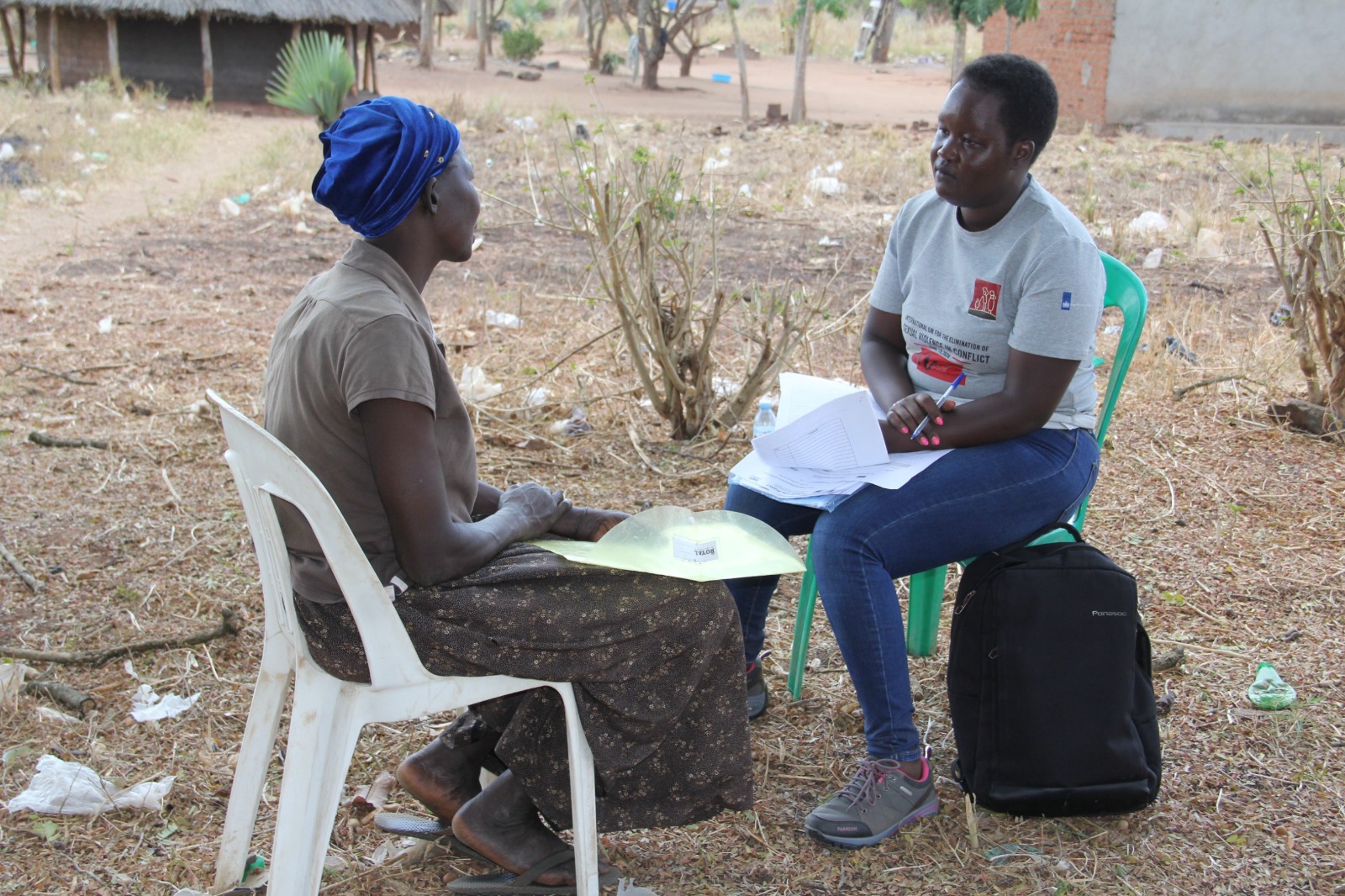
The Refugee Law Project’s Mental Health and Psychosocial Well-being Program, through the Securing Refugee–Host Relations in Northern Uganda through Enhanced Protection (SRHR-EP) Phase III project, has learned from its field experience that responsive mental health programming alone is insufficient to advance a comprehensive mental health agenda. Interventions that primarily respond to distress, trauma and mental health conditions after they have escalated, without equal investment in proactive mental health promotion, prevention and mental hygiene, risk addressing symptoms without sufficiently addressing the conditions that produce or perpetuate psychological distress. A sustainable mental health agenda therefore requires a deliberate shift from a predominantly reactive model towards one that strengthens everyday protective factors, equips individuals and communities with practical coping and relationship skills, promotes early identification and help-seeking, and addresses the social and environmental conditions that shape mental well-being.
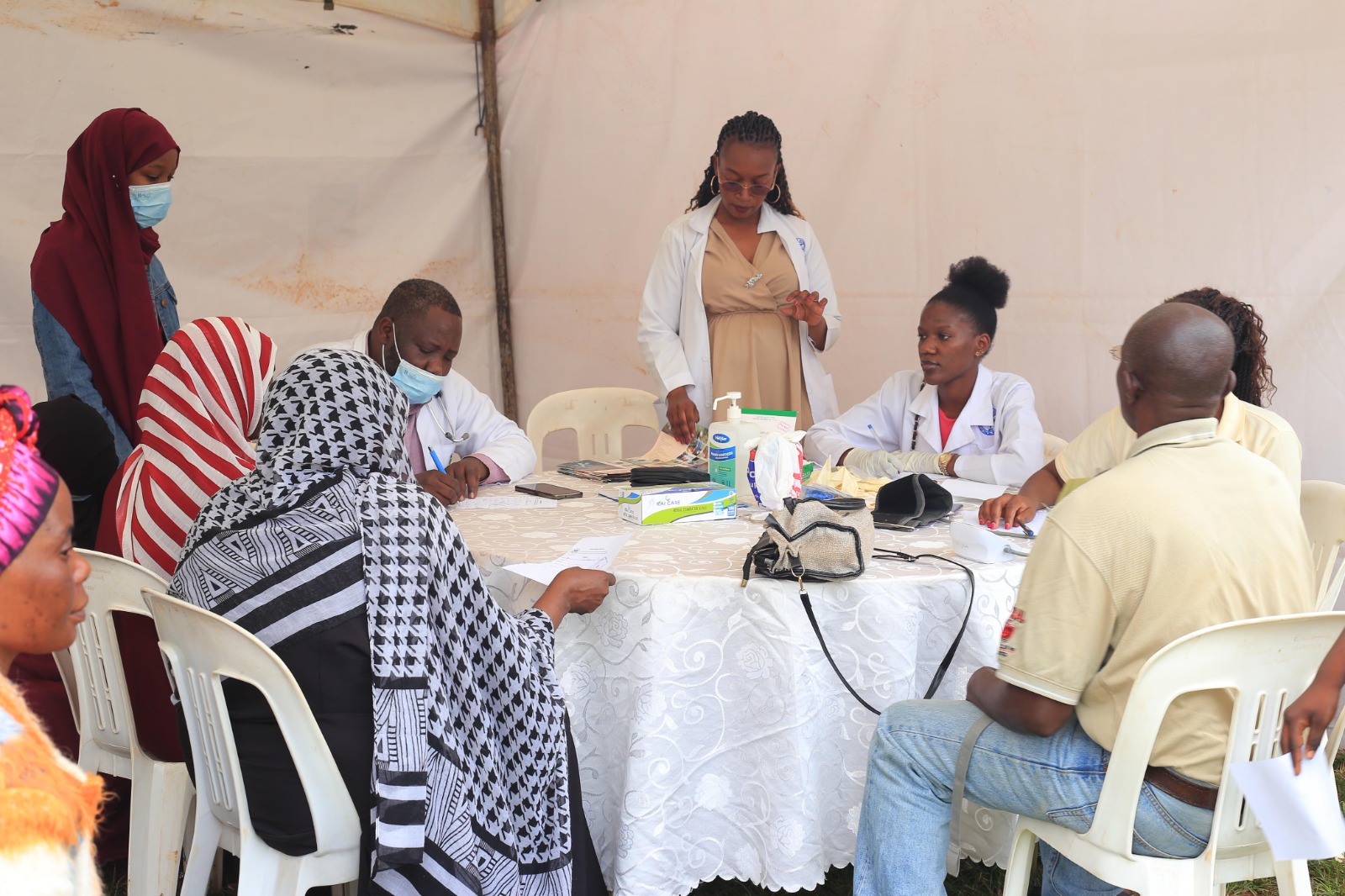
Refugee Law Project (RLP) gratefully acknowledges the generous financial support of the Embassy of the Kingdom of the Netherlands in Uganda, which has been instrumental in advancing mental health and psychosocial support for refugees and conflict-affected host communities in Northern Uganda. Through this support, the project has strengthened a trauma-informed approach that goes beyond responding to psychological distress to incorporate mental hygiene, prevention and everyday practices that protect and promote psychological well-being. This approach recognizes that sustainable recovery requires more than treating trauma after it occurs; it also requires equipping survivors, families and communities with the knowledge and skills to manage life stress, regulate emotions, resolve conflicts peacefully, nurture healthy relationships and seek timely support. Consequently, mental health conversations, couple counselling, psycho-medical and legal aid clinics, parenting sessions, psycho-education, self-care sessions, mobile child-friendly interventions, screening and assessment, and life-skills sessions have become important platforms for promoting mental well-being and strengthening protective capacities within communities reached by RLP. Significantly, these interventions contribute not only to trauma recovery but also to restoring functionality and productivity, strengthening self-reliance, fostering resilience, and promoting harmonious coexistence between refugee communities and host communities.
The 2026 World Mental Health Day theme therefore offers an opportunity to listen differently. Real change should not only mean improving services after people become unwell. It should also mean learning from lived experiences to build healthier individuals, families, schools, workplaces, government institutions, communities and societies. Mental hygiene should return to the mental health agenda not as an outdated concept, but as a bridge between mental health promotion, prevention, peaceful coexistence and everyday human relationships. The goal is not simply to treat psychological harm after it occurs, but to cultivate the knowledge, skills and environments that help people remain psychologically healthy while navigating the inevitable challenges of life.
By Okot Benard Kasozi, MHPSS Supervisor, Refugee Law Project, Gulu Field Office.