
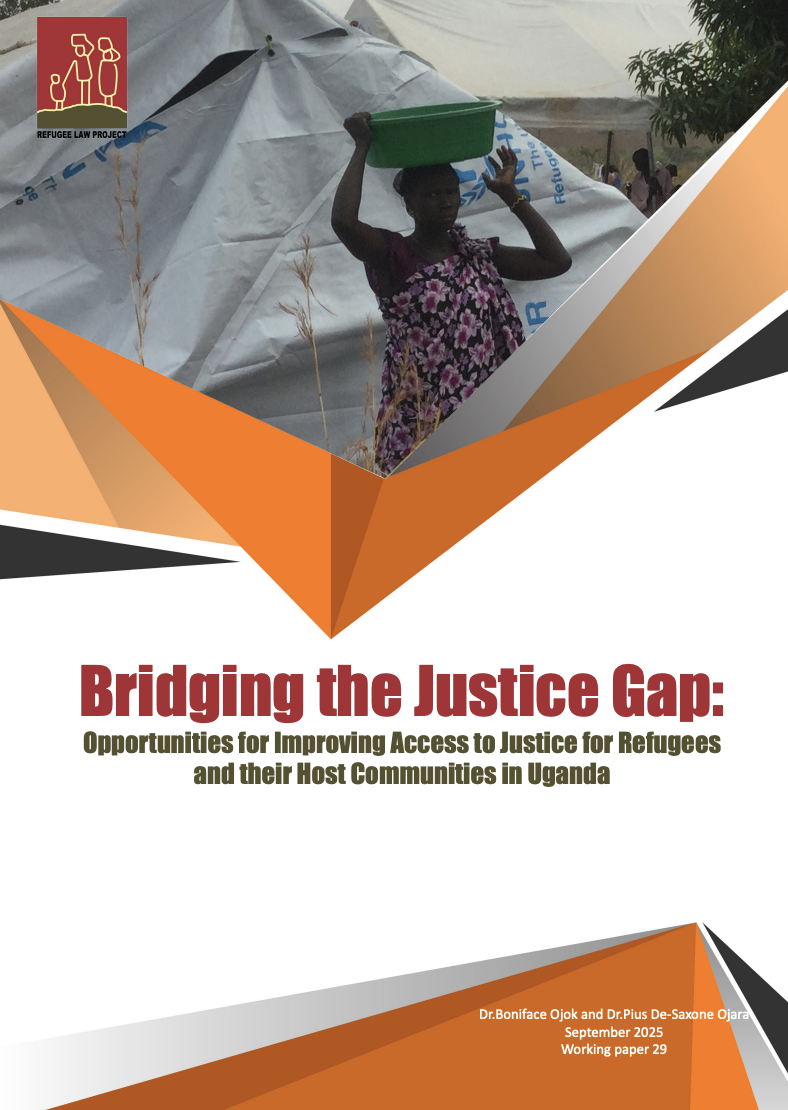
Refugees in Uganda, particularly in settlements like Adjumani, Kiryandongo, Lamwo, and Kampala, face significant challenges in accessing justice due to the complexities of their situations, including poverty, marginalization, and vulnerability to exploitation. These challenges hinder their ability to navigate the justice system, seek redress for grievances, access essential services, and exercise their rights. The situational analysis reveals a complex landscape of challenges, including language barriers, limited access to legal representation, and cultural differences, which can prevent refugees from accessing justice.
The findings highlight the need for a comprehensive and integrated response to address these challenges, prioritizing mental health support, livelihood opportunities, education, justice, and social cohesion. Specifically, the key challenges include language barriers that hinder communication with justice officials, limited access to legal representation that exacerbates vulnerability to human rights abuses, cultural differences that conflict with Uganda’s legal system, and delays in justice administration that hinder refugees’ access to justice.
To create a more supportive and enabling environment for refugees, it is essential to address these challenges and promote inclusive and participatory approaches that acknowledge the agency and resilience of refugees themselves. By doing so, we can work towards creating a more just and equitable society where refugees can rebuild their lives and achieve their full potential. Ultimately, a comprehensive response that prioritizes the needs of refugees can help ensure that they receive the support and protection they deserve.